How to

Recording tips

Photos and suggestions on how to position ribbon mics on a number of different instruments, distilled from years of working with many of the industry’s top recording and FOH engineers.

Getting the most out of your ribbon microphone

Recording tips is full of photos and suggestions on how to position ribbon mics on a number of different instruments. You’ll find music samples from our audio and video library, comments on which mics are preferred for different recording tasks, and other information that should prove helpful to you in your quest for great recorded sounds.

All of these photos show well-proven mic positions that can be used with confidence, or at least as great starting places. Most of these photos were taken during major recording sessions. The tips have been distilled from years of working with many of the industry’s top recording and FOH engineers, and they are gold for capturing tone.
Tips by instrument

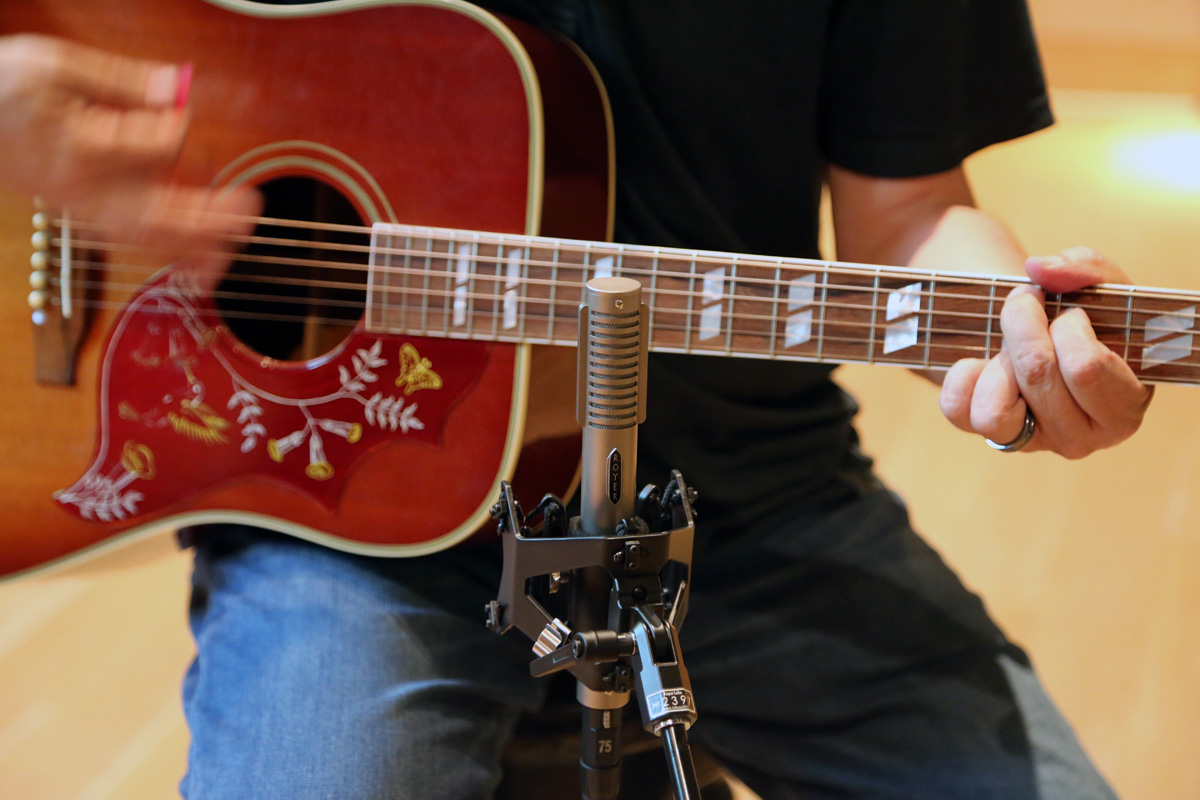
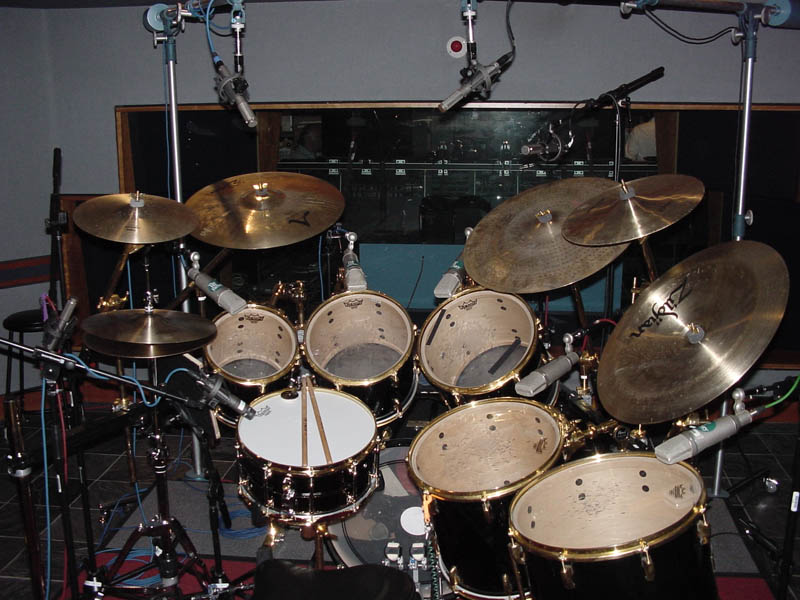
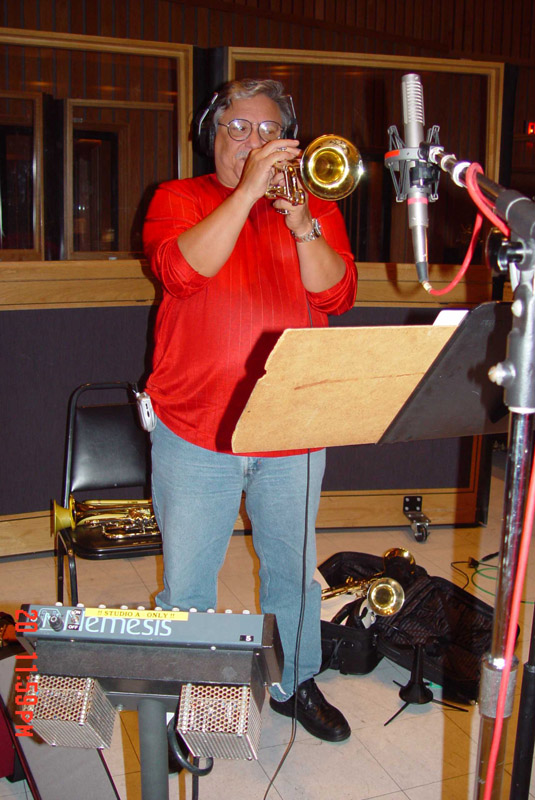
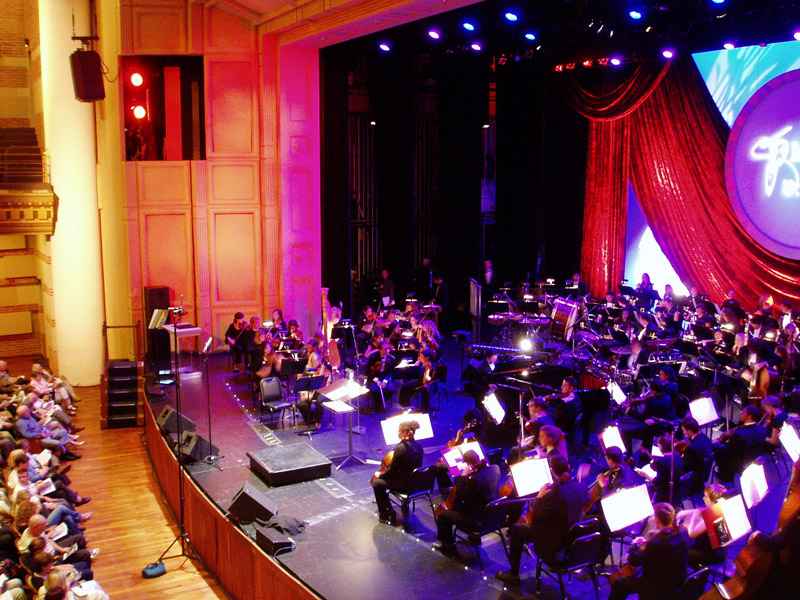
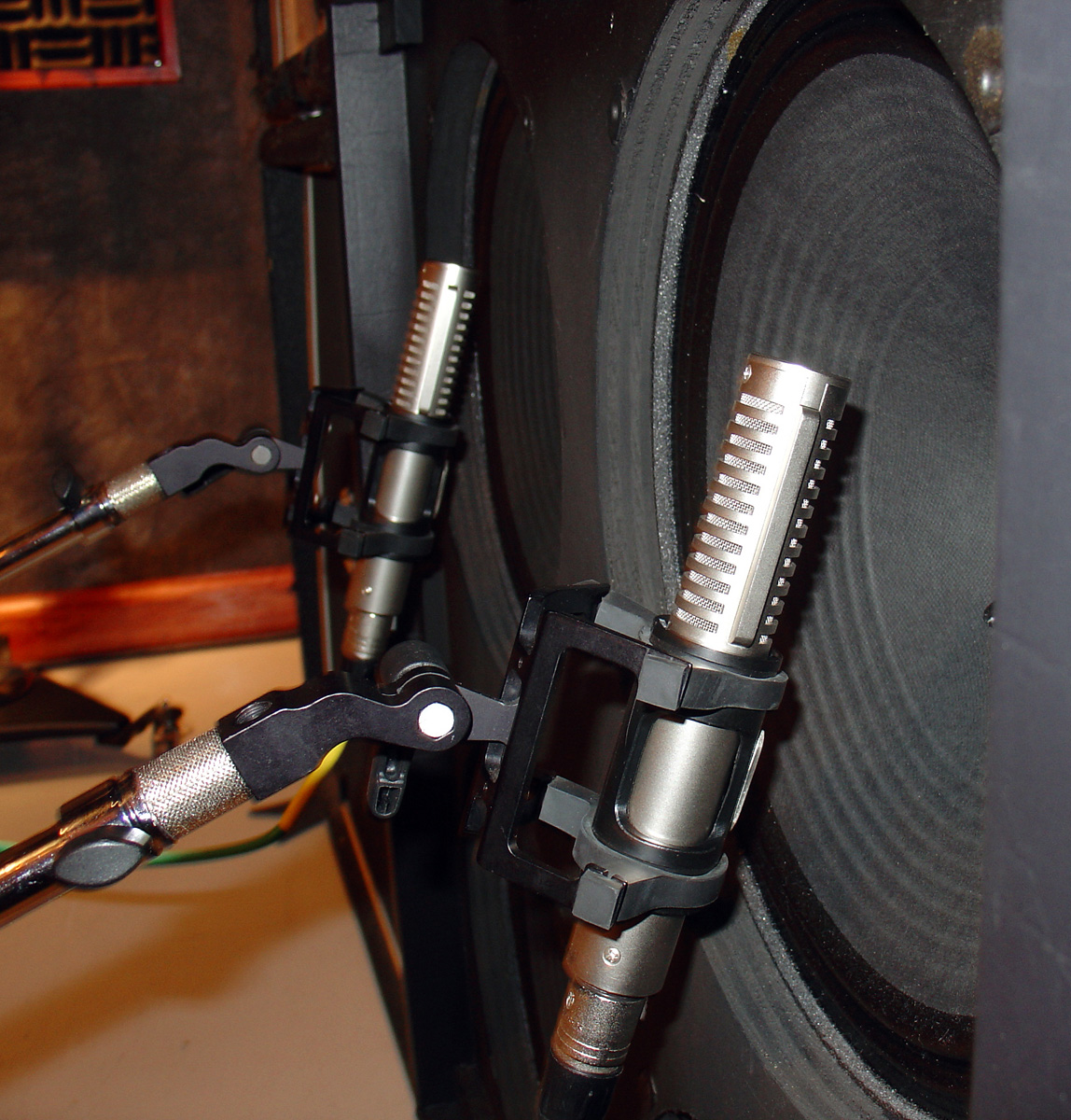
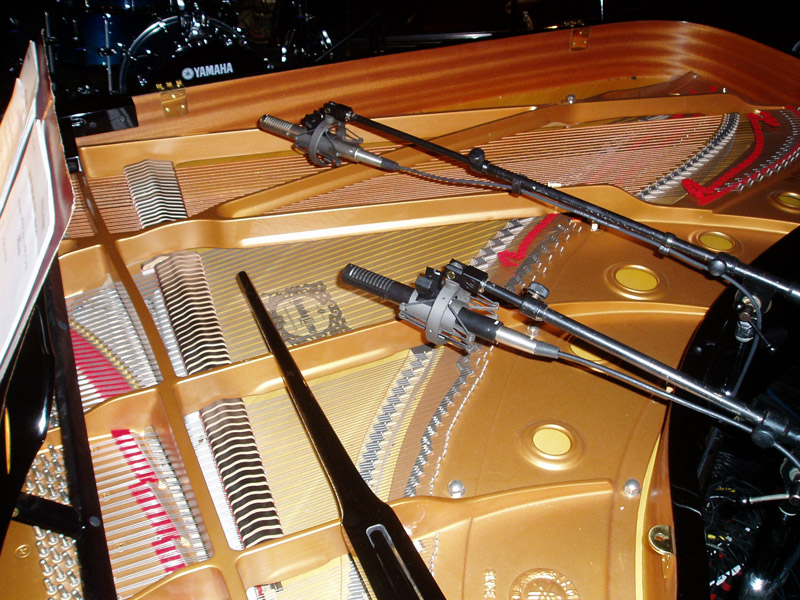
Two Royer R-121 ribbon microphones on a guitar cabinetElectric guitarRibbons are legendary on electric guitar: they are the best way to capture all the tone and vibe coming off your guitar cabinet.Two Royer R-122 ribbon microphones over a grand pianoPianoRibbons bring out the warmth and depth of the piano, while combining beautifully with condensers when multiple miking.A Royer ribbon microphone on an acoustic guitarAcoustic instrumentsAcoustic guitar, violin, ukulele, cello and more. Royer ribbons help you capture the warmth and size of your acoustic guitar and other stringed instruments.Pair of Royer R-122 ribbon microphones as drum overheadsDrumsWhatever your approach, Royer ribbon mics deliver the size, power and dimension that you hear in the drum room.Arturo Sandoval playing trumpet into a Royer R-122 ribbon microphoneBrassIf any one group of instruments was made to be tracked on ribbons, it’s brass.Full orchestra miked with a Royer SF-24 stereo ribbon microphone above the conductorOrchestraRoyers are often used on the brass, strings, woodwinds and percussion, as well as for ambiance or recording an audience.

More how-to guides