
Most microphones add something you spend the rest of the session taking out. We went to Pentavirate Studios in Nashville to see what happens when a mic doesn't.
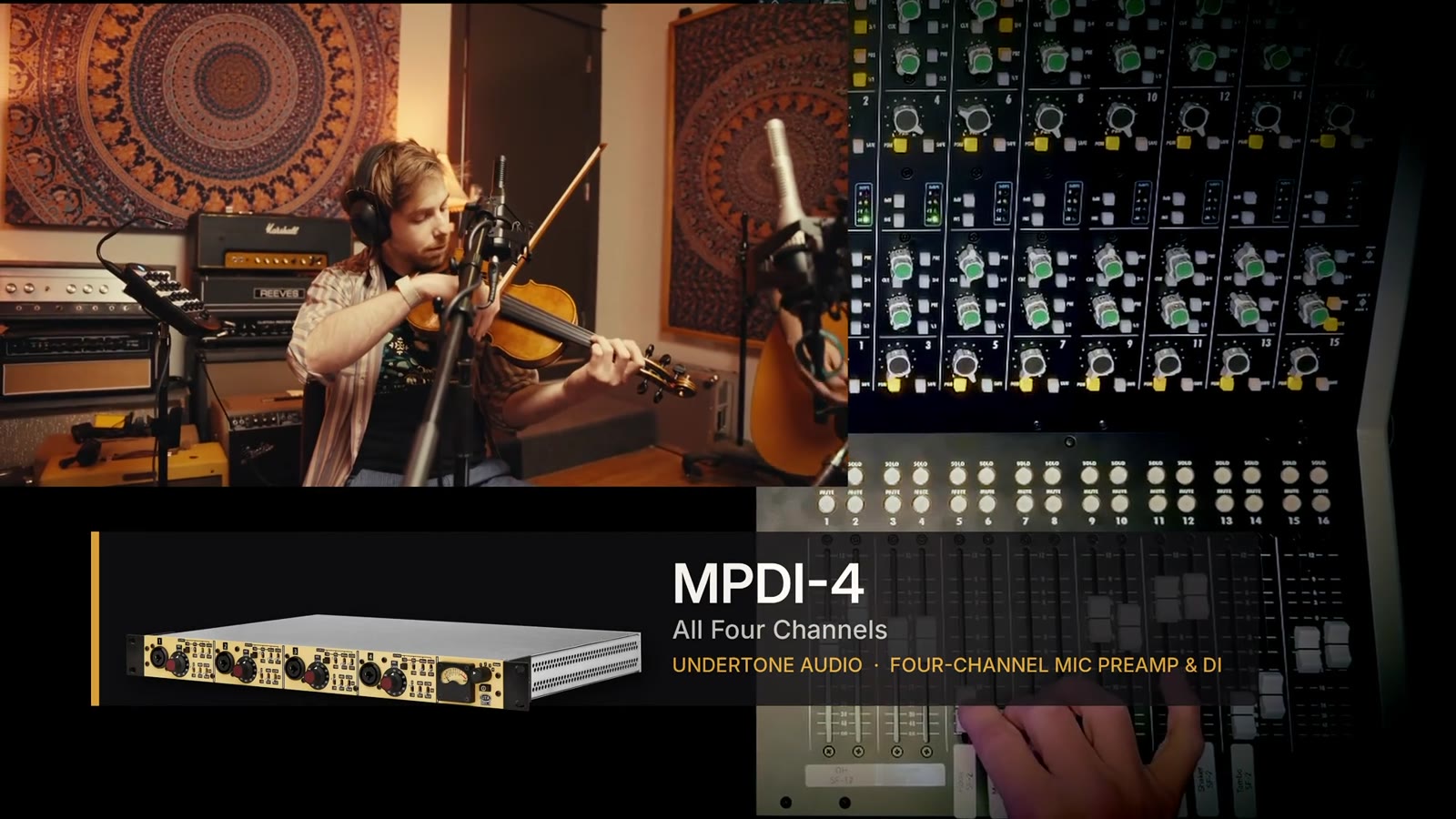
With musical director Anthony Da Costa playing and engineer Bobby Holland tracking, we recorded fiddle, steel-string acoustic, a "Nashville strung" acoustic and mandolin on Royer ribbons. No EQ and no compression on the instruments. Here is what went where.
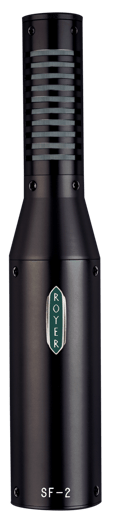
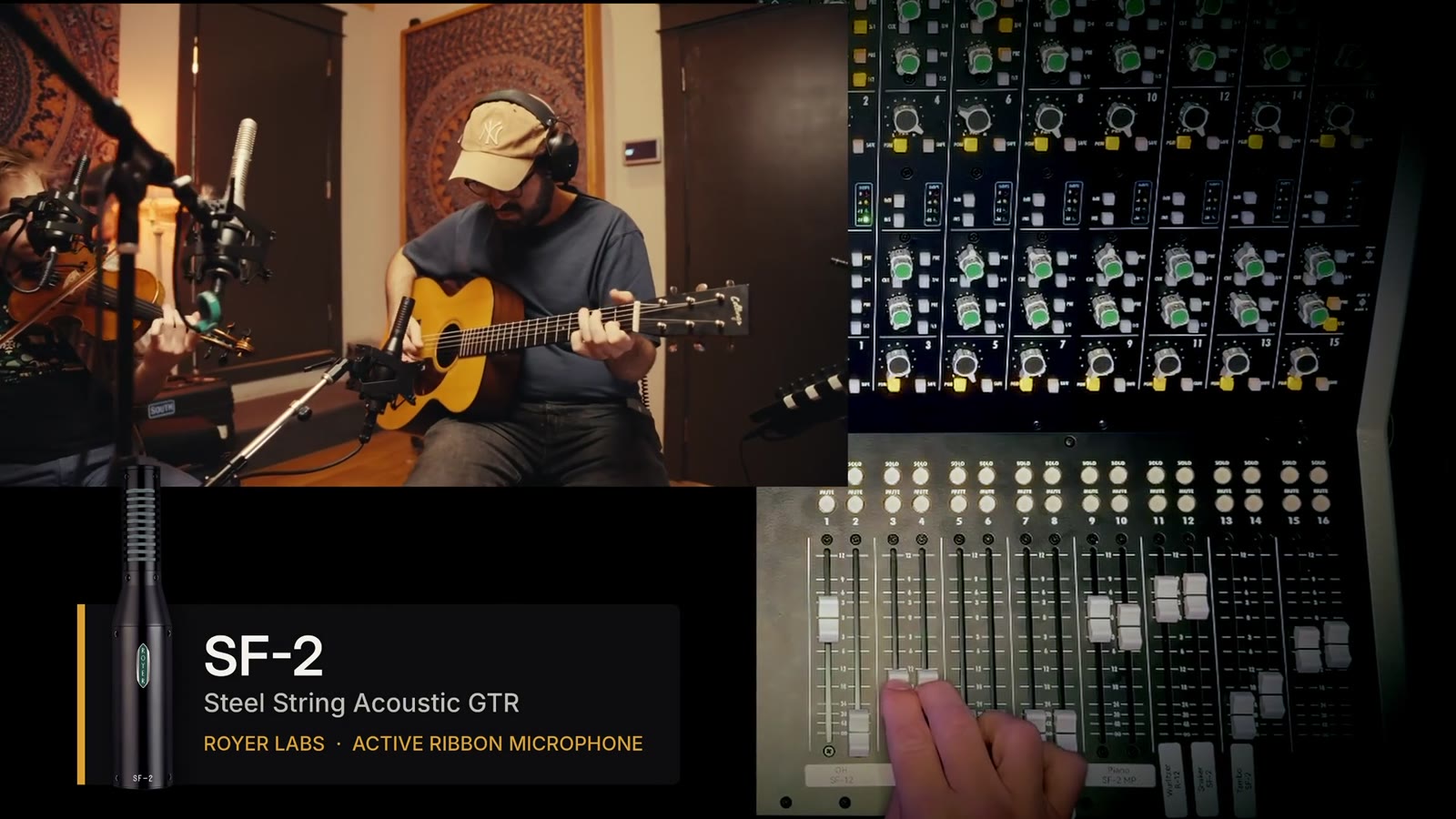
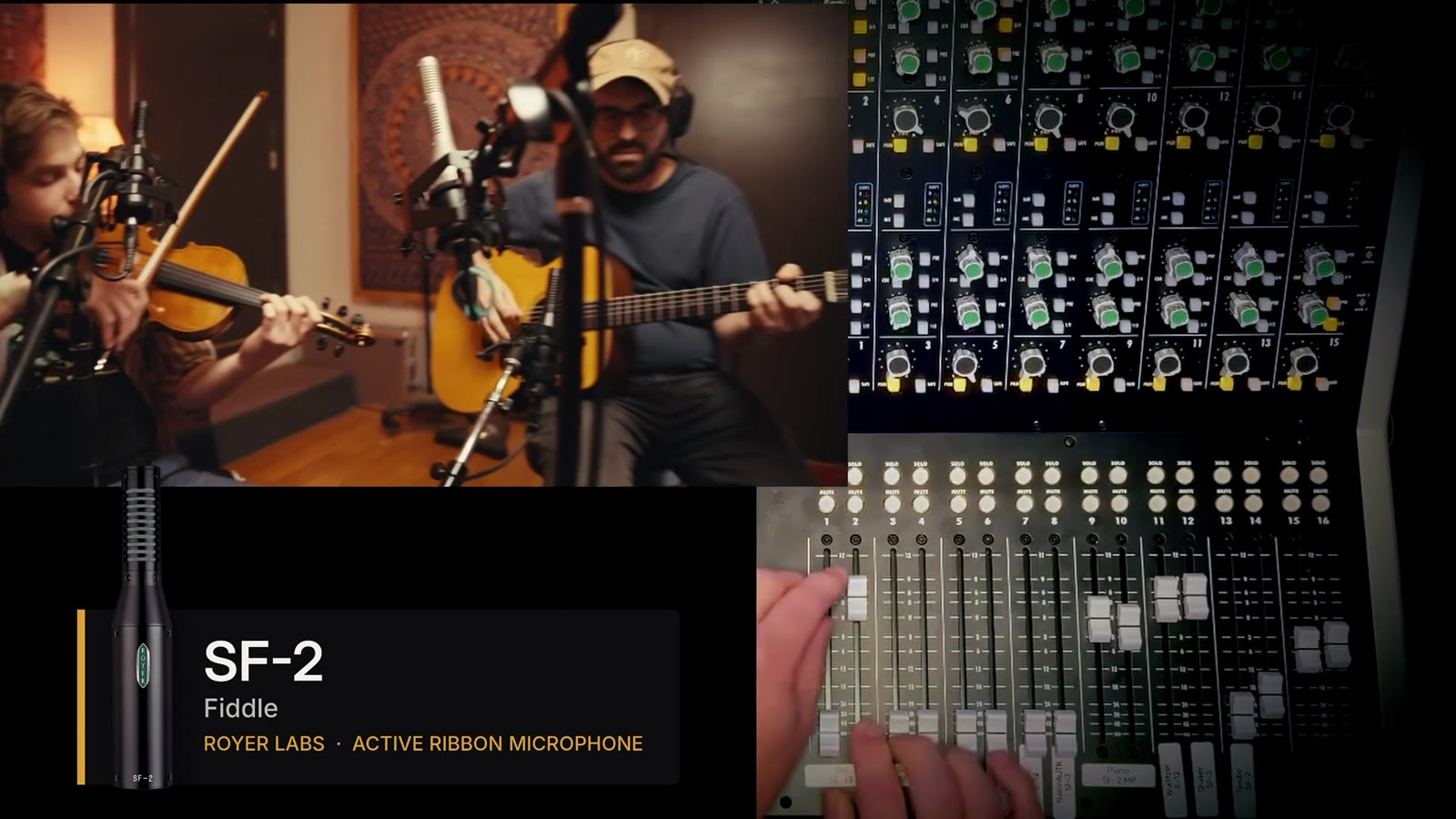
Steel-string acoustic and fiddle: Royer SF-2
The active ribbon went on the two brightest instruments in the session, the steel-string acoustic and the fiddle. No EQ on either.
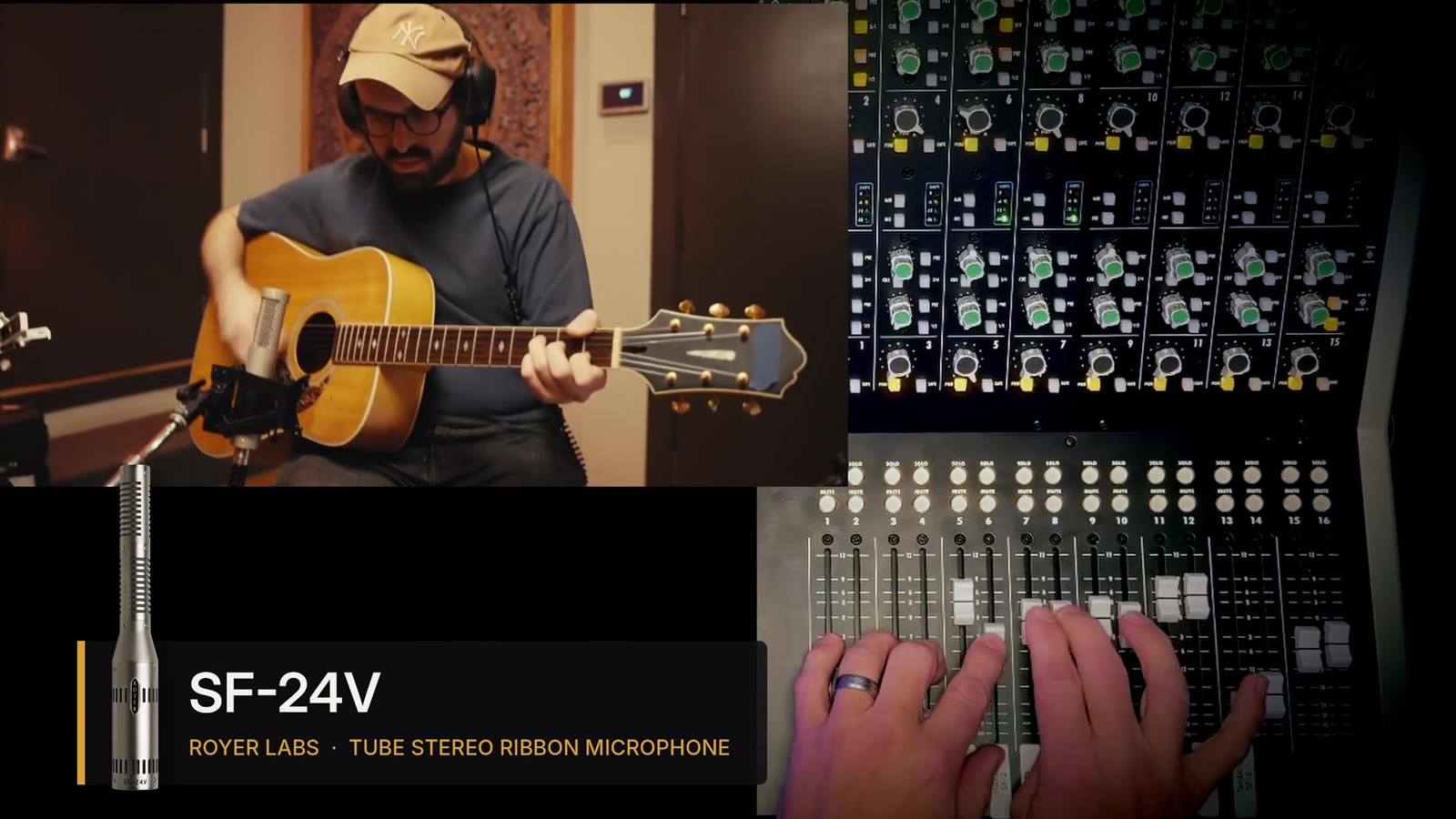
Steel-string acoustic: Royer SF-24V
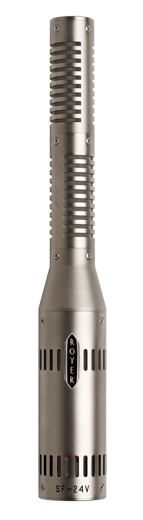
The tube stereo ribbon on the same steel-string, for a stereo picture of the guitar and the room around it.
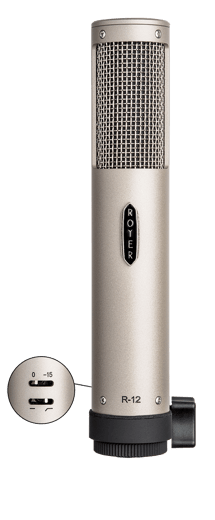
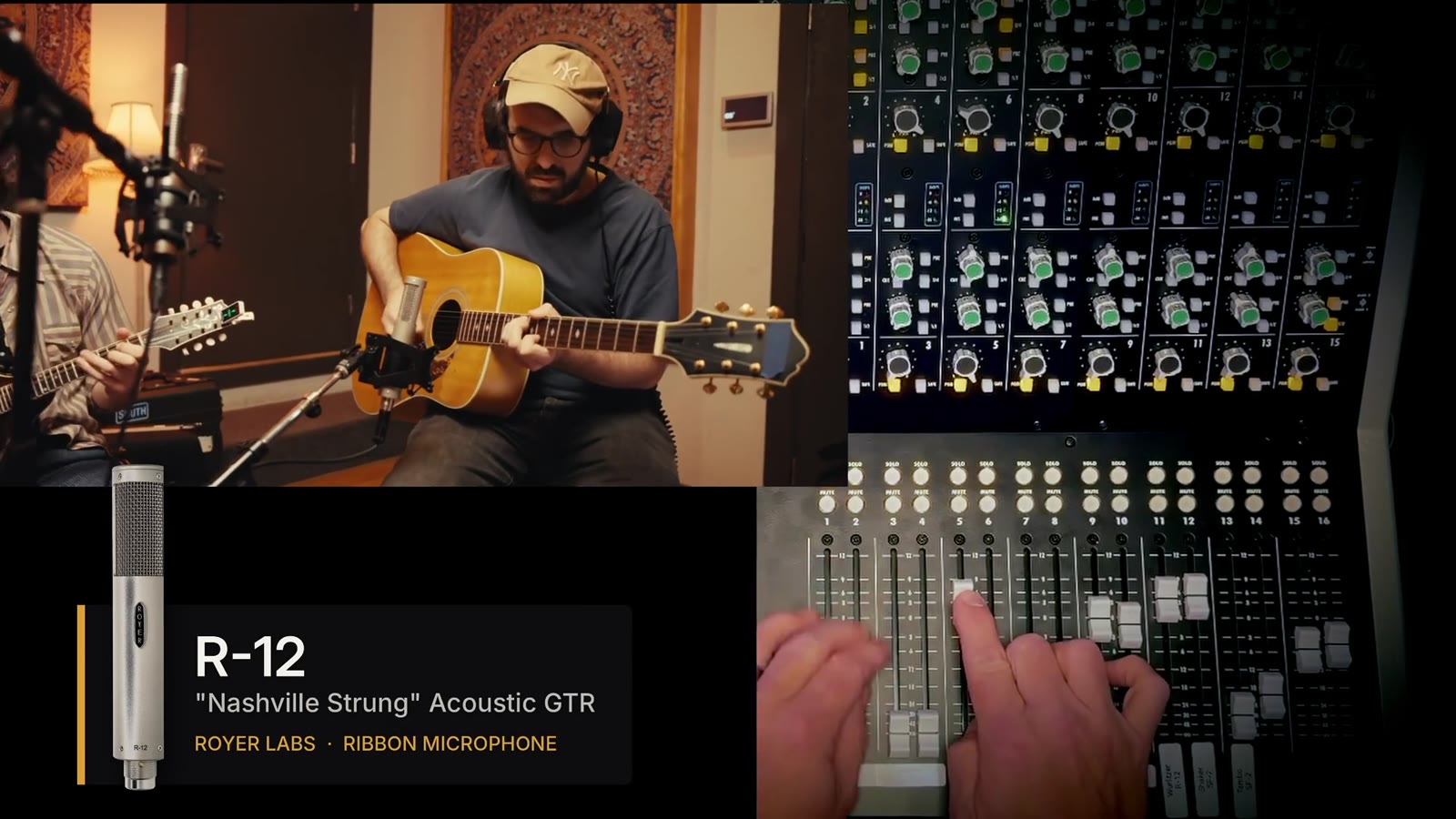
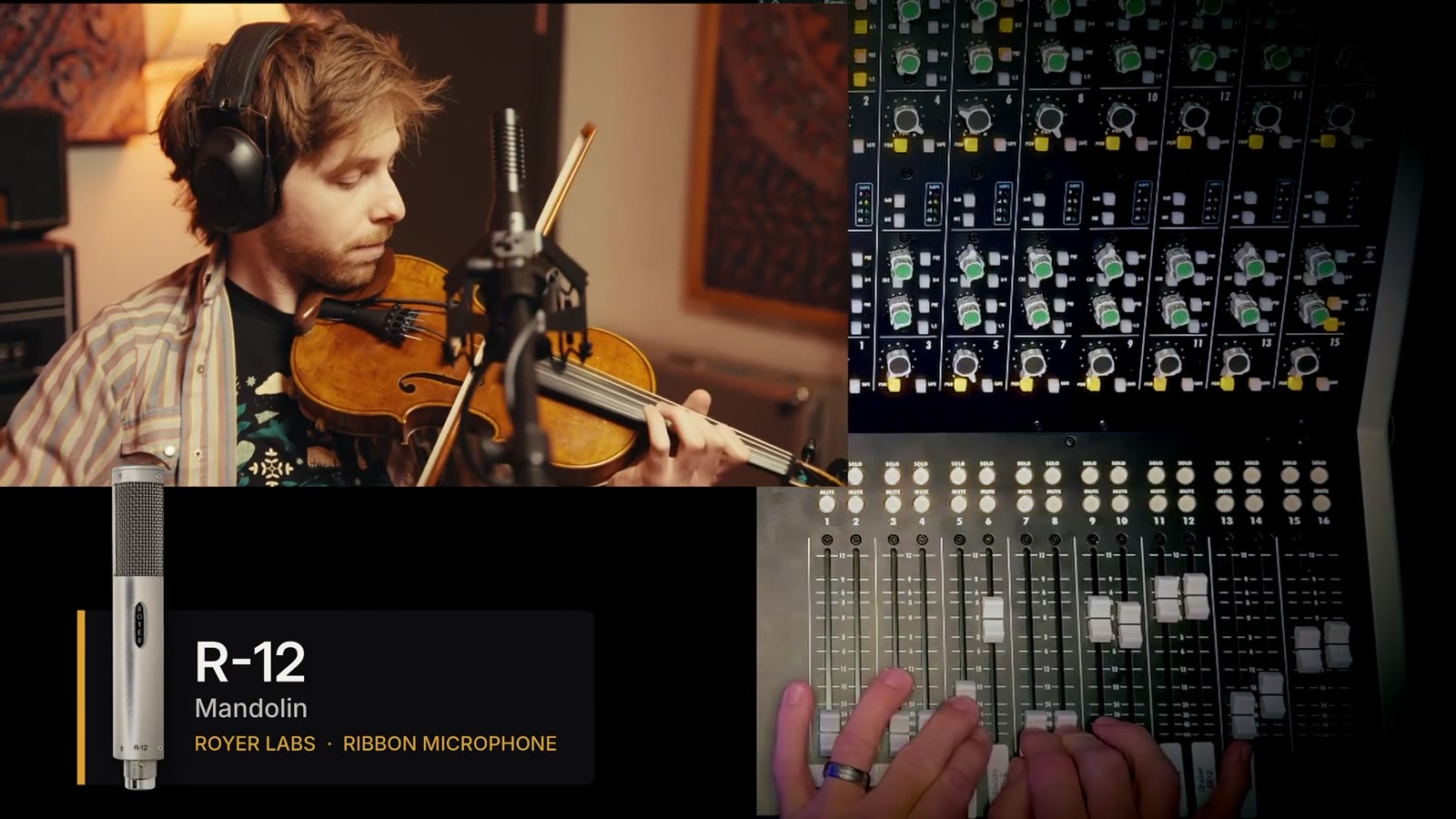
Nashville-strung acoustic and mandolin: Royer R-12
The R-12 took the "Nashville strung" acoustic (a six-string carrying the high-octave strings from a 12-string set, so it rings like the top half of a 12) and the mandolin. Still no EQ.
The signal chain
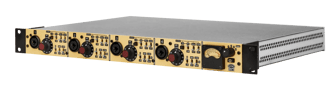
Every ribbon went straight into the Undertone Audio MPDI-4, all four channels, through Lynx converters and the API The Box 2 console. The only processing was a little compression from the UnFairchild 670M II on the mix bus.
Why it works
Accurate, resonance-free capture means each instrument shows up as it is and finds its own place in the mix. What you hear is the instrument, not the microphone.
Recorded at Pentavirate Studios, Nashville. Featuring Anthony Da Costa. Engineered by Bobby Holland. Equipment provided by Lynx, API, HEDD Audio, Accusound Cable Company, Royer Labs and Undertone Audio.
All posts