How to
Recording brass
If we had to pick one instrument that benefits the most from ribbon microphones, it would be the trumpet.
Complex, powerful, loud and on the higher-end side of the frequency spectrum, the trumpet is an emotional, moving and exciting instrument. There’s nothing like a great trumpet solo or a powerful brass section letting it rip!
Brass can be one of the more difficult instrument groups to record, often sounding overly bright and thin on recordings and in live performances. Brass benefits greatly from the use of ribbon mics. The smooth high end response of a good ribbon makes a major difference, capturing all of the detail and brilliance with none of the harshness or peakiness that is often associated with brass.
Capturing good brass recordings is not overly difficult when the players are good and the right mics are up. Let’s start with miking a single brass instrument with an R-series mic.
Miking a solo horn
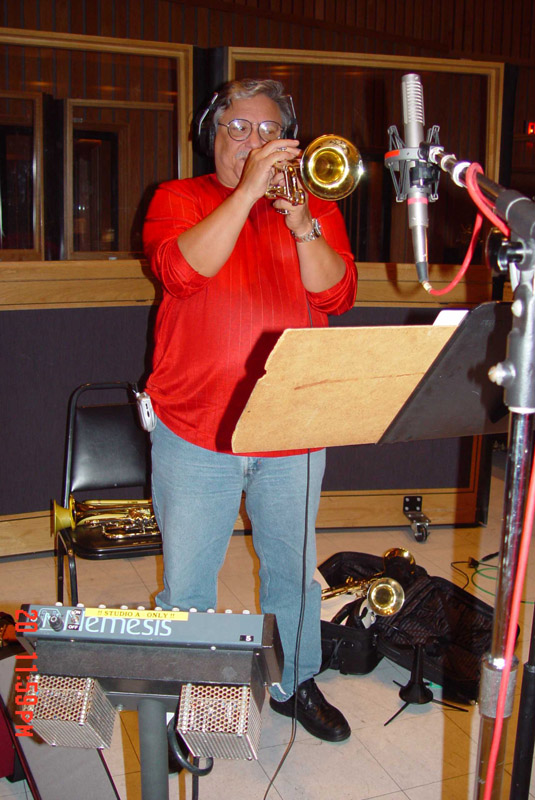
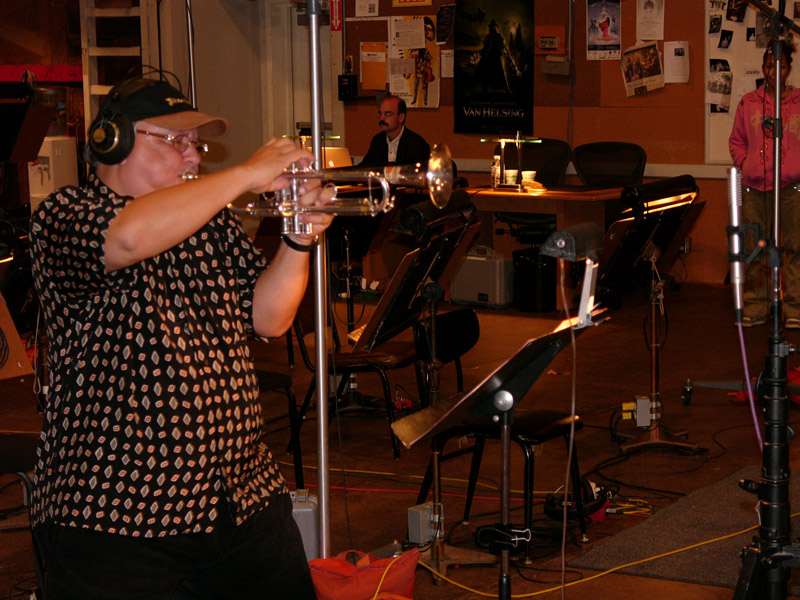
A good starting position is to place the microphone anywhere from 2 to 5 feet in front of the instrument and about 6 inches below the line of sight of the bell. While monitoring through headphones or taking direction from someone listening in the control room, reposition the mic (or have the player adjust their position) until you think it sounds best.
Royers are forgiving of off-axis input and will give consistent results at various distances and angles, so anchoring the player to one position is not necessary. Many microphones will distort if brass is played too close to them, but Royers won’t.
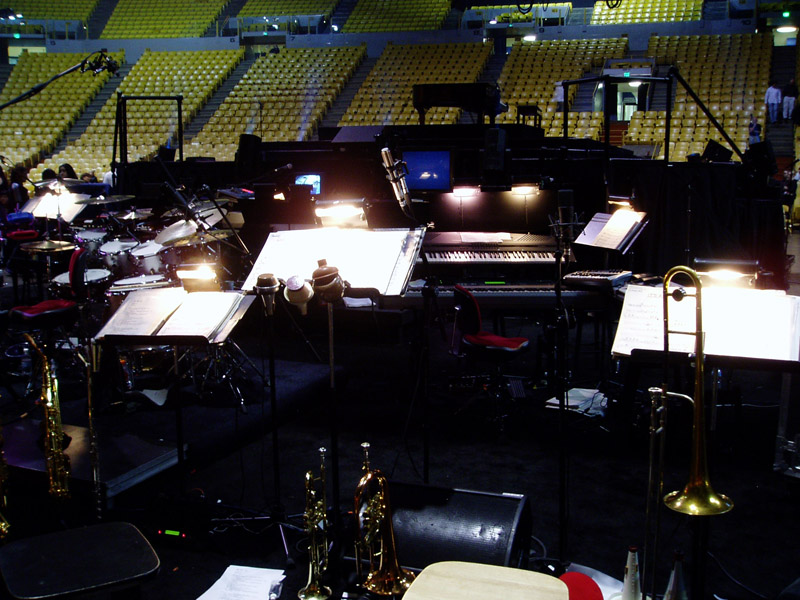
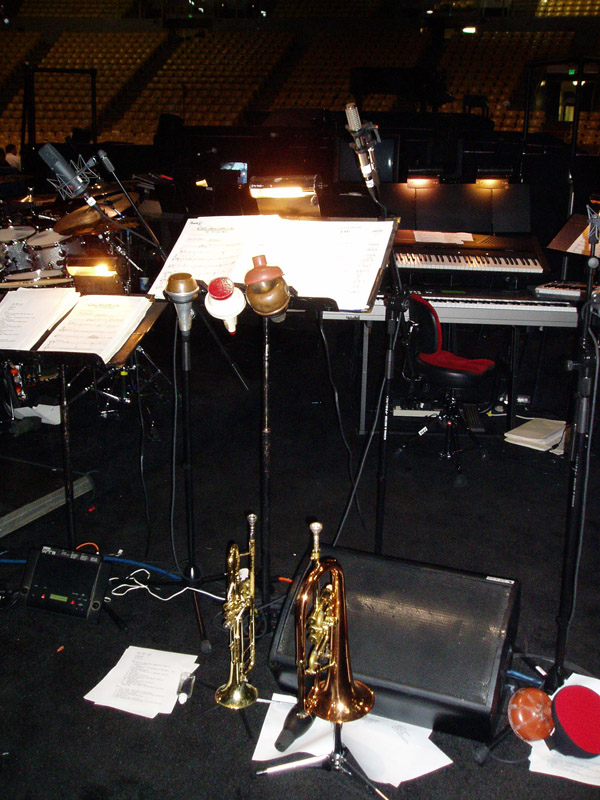
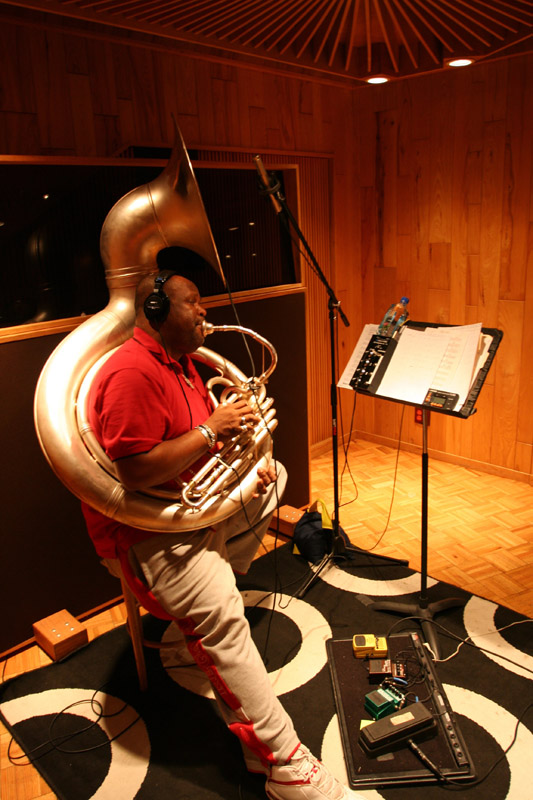
Miking a horn section
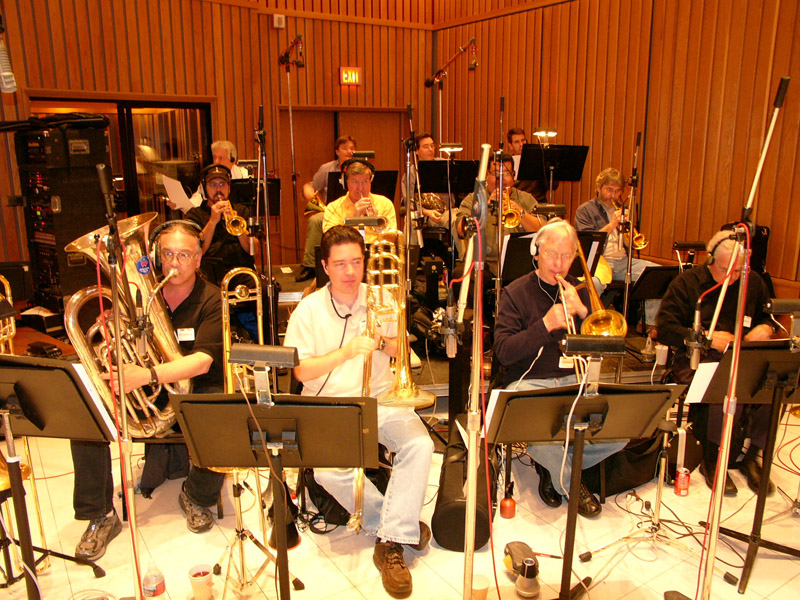
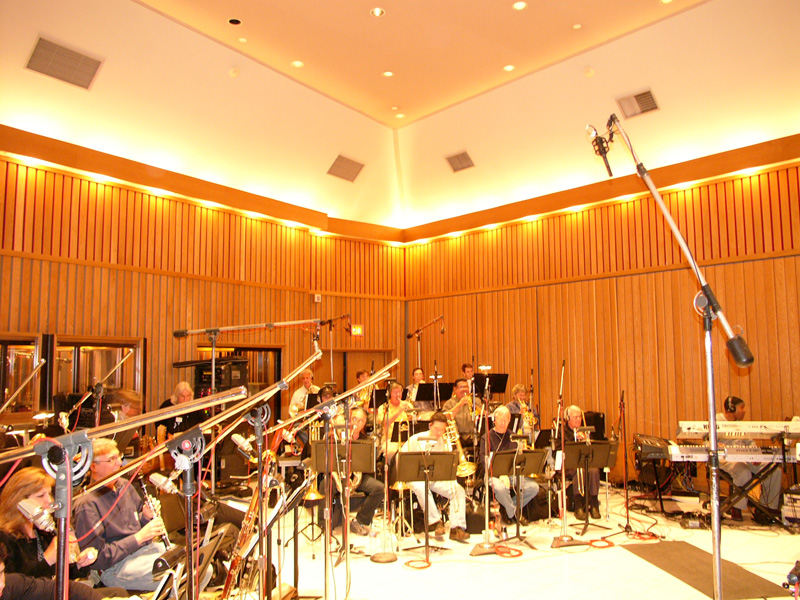
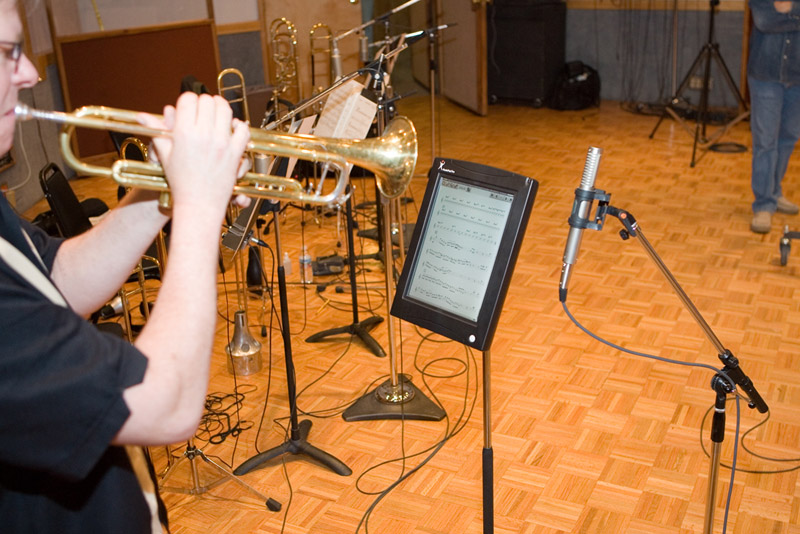
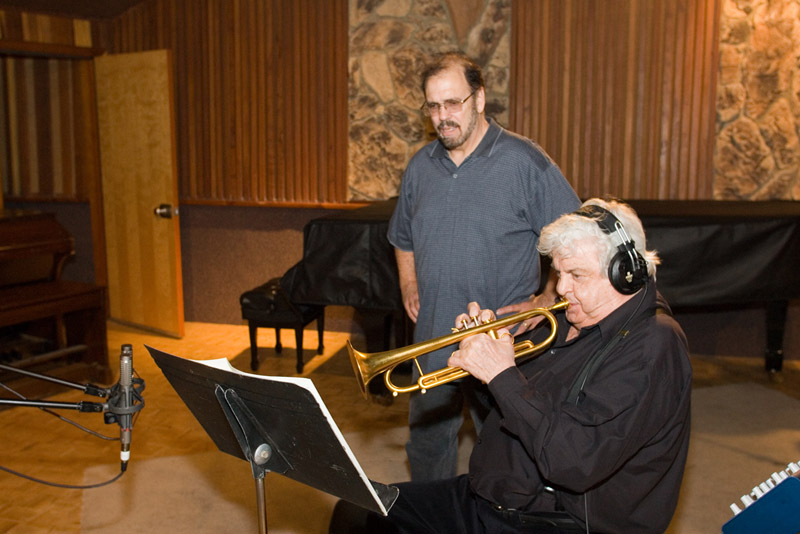
When miking a full horn section, engineers often use one R-121 per musician at a distance of 1 to 2 feet. Grouping two players on one mic also works well. The off-axis response of a good ribbon is excellent, so having two on one mic can yield great results.
Once you’ve spot miked the instruments, adding an overall section microphone can add greatly to the fullness and cohesiveness of your recording. Royer SF-12 and SF-24 stereo ribbon mics do a beautiful job. Position the mic over and in front of the section, then position to taste. Consider how much room sound you want, since this will determine how close you position the mic.